Introduction: India’s Digital World Just Changed — Officially
India’s creator economy just entered a brand new era.
On April 14, 2026, the Rajya Sabha passed the National Creator Economy Bill 2026, making India one of the first countries in the world to legally recognize YouTubers, Instagram influencers, streamers, and digital artists as licensed professionals.
If you are a content creator, a brand that works with influencers, or a business investing in digital marketing in India, this bill directly affects you. In this blog, Raise Up Digital breaks down every key point in simple language so you know exactly what has changed and what you need to do next.
What Is the National Creator Economy Bill 2026?
The National Creator Economy Bill 2026 is a landmark piece of legislation that brings India’s booming digital content sector under a formal legal framework for the very first time.
Before this bill, content creators were classified as informal gig workers — with no professional status, no legal protection in brand deals, and difficulty accessing loans or business insurance.
Now, digital creators are officially recognized as professionals under Indian law. This is a historic shift — similar to how the film industry and IT sector gained formal recognition over the decades.
Key Fact: The bill was passed by the Rajya Sabha in mid-April 2026 and is currently awaiting Presidential Assent.
Key Features of the Bill: What Has Actually Changed?
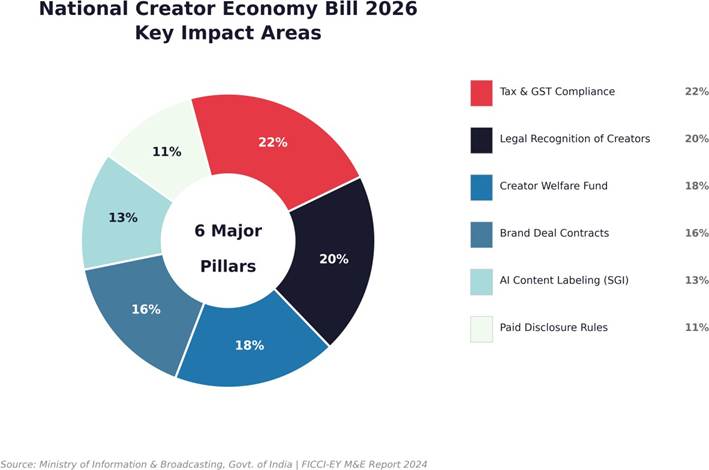
Figure 1: Key Impact Areas of the National Creator Economy Bill 2026
Here is a breakdown of all the major changes introduced by the National Creator Economy Bill 2026:
1. Legal Recognition as Licensed Professionals
Creators — including YouTubers, Instagram influencers, streamers, and digital artists — are now recognized as licensed professionals under Indian law. This means they can apply for bank loans, get business insurance, and operate with formal professional credentials, just like any other recognized profession in India.
2. Mandatory Government Registration
Creators earning above a specified income threshold are now legally required to register with the government. This registration links your content output to your tax records and places you inside a centralized database of professional creators. The informal days of flying under the radar are officially over for high-earning creators.
3. Creator Welfare Fund — Health & Pension Benefits
A dedicated Creator Welfare Fund is being set up, financed by a small cess on digital advertising spend from platforms like YouTube and Meta. Registered creators will receive:
✅ State-backed health insurance
✅ Pension and retirement benefits
✅ Emergency financial assistance
This is one of the first government-backed safety nets globally designed exclusively for digital creators.
4. GST & Tax Compliance Made Mandatory
The bill does not introduce new taxes — but it strictly enforces existing ones by categorizing creator income as professional or business income:
✅ Annual revenue over ₹20 lakh requires mandatory GST registration
✅ Brand gifts or review products worth over ₹20,000 will attract TDS (Tax Deducted at
Source)
✅ Untracked barter deals are now a thing of the past
5. Standardized Contracts for Brand Deals
One of the biggest problems for creators has been delayed payments and unfair brand agreements. The bill introduces template contracts between creators, agencies, and brands that include:
✅ Guaranteed payment timelines
✅ Clear deliverable definitions
✅ A dispute-resolution mechanism without lengthy court battles
6. AI Content Labeling — SGI Rules
Any content created or significantly altered using Artificial Intelligence must now be labeled as ‘Synthetically Generated Information’ (SGI). Platforms are legally required to embed metadata tags for AI-generated media. This rule affects brands, agencies, and creators who use AI tools in their campaigns.
7. Strict Disclosure Rules for Paid Collaborations
Paid brand collaborations must now be explicitly disclosed by law — not just as a platform recommendation, but as a federal legal mandate. Failing to disclose a paid promotion is no longer just a platform policy violation — it is a legal offence.
How Does This Impact Influencer Marketing in India?
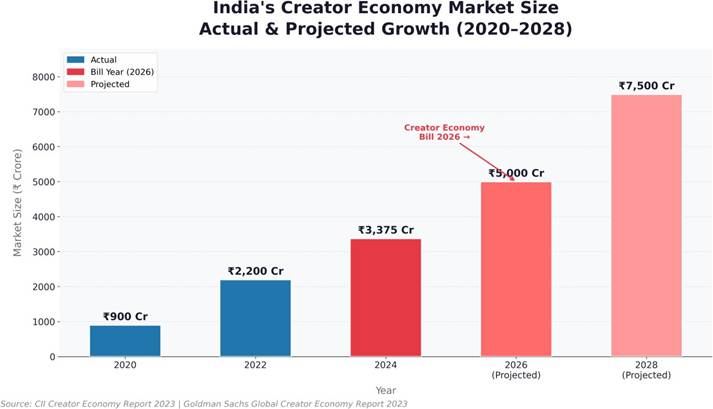
Figure 2: Brand Compliance Priority Scores Under the New Bill
For brands, businesses, and digital marketing agencies running influencer campaigns, the new rules bring major changes to how you operate:
✅ All paid collaborations must carry a clear, legal disclosure statement
✅ Influencer brand deals must use formal contracts — verbal or informal agreements are risky
✅ Gifting campaigns above ₹20,000 per creator now have tax implications
✅ AI-generated or AI-assisted influencer content must carry an SGI label
✅ Creators posting news or current affairs content face strict content oversight
The casual, unregulated era of influencer marketing in India is over. But this creates a healthier, more professional ecosystem — which is great news for brands that operate with integrity.
What Should Brands & Businesses Do Right Now?
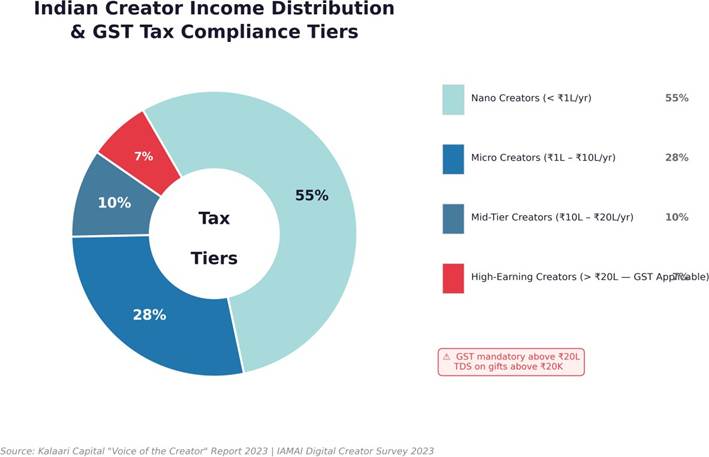
Figure 3: Creator Income & Tax Compliance Tiers
Here is your immediate action checklist if your business works with creators or runs digital campaigns:
✅ Audit all existing influencer agreements and update them to meet the new contract standards
✅ Review your gifting and barter campaigns for GST and TDS implications
✅ Ensure every paid brand collaboration has a proper legal disclosure
✅ Add SGI labels to any AI-generated content in your campaigns
✅ Partner with Raise Up Digital — a compliant agency that understands the new creator economy landscape
Pro Tip: Brands that adapt to these new rules early will gain a significant trust advantage over competitors who are still catching up.
How Raise Up Digital Can Help You Navigate This Change
At Raise Up Digital, we specialize in building smart, compliant, and results-driven digital marketing strategies for brands and businesses across India.
The National Creator Economy Bill 2026 changes the rules — but it also creates massive opportunities for brands that move fast, get compliant, and build authentic creator relationships.
We can help you with:
✅ Influencer marketing campaigns that follow the new legal disclosure and contract rules
✅ Reviewing and restructuring your brand collaboration agreements
✅ End-to-end digital marketing strategy for the new creator economy era
✅ Social media marketing, content creation, and brand management
✅ Online reputation management and celebrity/influencer management
Whether you are a startup in Hyderabad, a growing brand, or an established business — Raise Up Digital makes digital marketing simple, strategic, and compliant.
👉 Visit us at raiseupdigital.com to get started today.
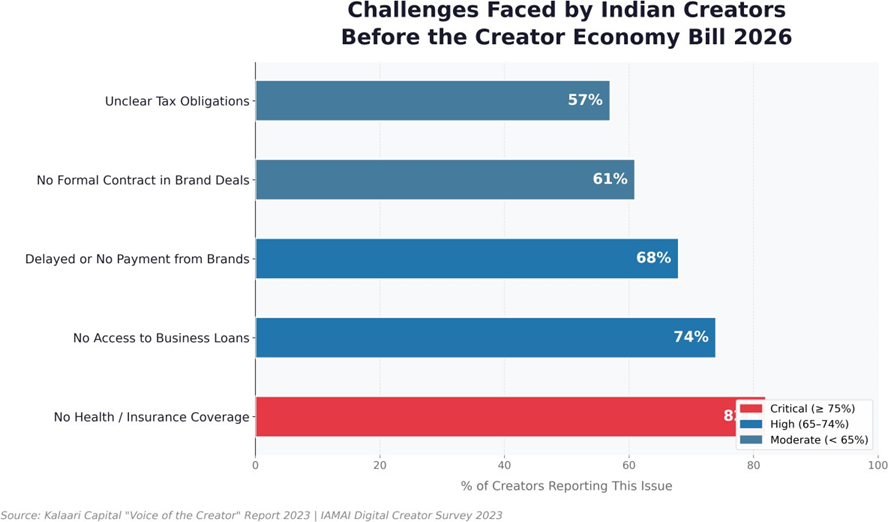
Figure 4: Creator Economy Transformation — Before vs After the Bill 2026
Conclusion
The National Creator Economy Bill 2026 is not just a regulation — it is a signal that India’s digital economy has truly grown up.
For brands, marketers, and businesses, it is a call to professionalize how you work with creators, how you run campaigns, and how you show up in digital spaces. The creators and agencies that adapt quickly will lead the next chapter of digital marketing in India.
Are you ready to lead?
📩 Contact Raise Up Digital at raiseupdigital.com — and let us build a 2026-ready digital strategy for your brand.
Frequently Asked Questions (FAQs)
Everything you need to know about the National Creator Economy Bill 2026 — answered simply.
The National Creator Economy Bill 2026 is a law passed by India’s Rajya Sabha on April 14, 2026. It officially recognizes social media creators, YouTubers, streamers, and digital artists as licensed professionals under Indian law. It also introduces mandatory registration, tax compliance, standardized contracts, a Creator Welfare Fund, and AI content labeling rules.
The bill applies to all digital content creators in India — including YouTubers, Instagram influencers, Twitter/X creators, streamers, podcasters, and digital artists. High-earning creators above a specified income threshold must register with the government. The rules for disclosures and AI labeling apply to all creators regardless of income.
No — not all creators need to register. Only creators who earn above a specific income threshold are legally required to register under the new framework. However, all creators — regardless of income — must follow the disclosure rules for paid collaborations and AI content labeling.
The Creator Welfare Fund is a government-backed benefit scheme for registered digital creators in India. It is financed by a small cess (tax) on digital advertising spend from platforms like YouTube and Meta. Registered creators get access to state-backed health insurance, pension/retirement benefits, and emergency financial support.
Need Help? Contact Raise Up Digital
🌐 raiseupdigital.com | 📍 Hyderabad, India | Digital Marketing · Influencer Marketing · Brand Management